


-

Add: HeBei ShengShi HongBang Cellulose Technology CO.,LTD.
-

Email
13180486930@163.com -

CONTACT US
+86 13180486930




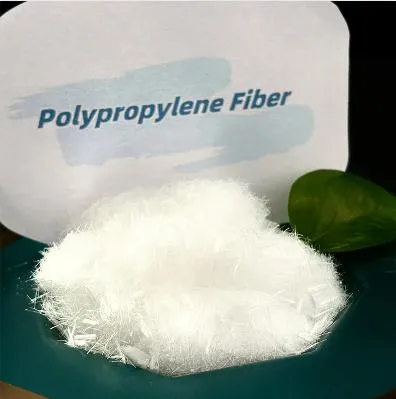
Polypropylene fiber is an innovative material that significantly enhances the performance characteristics of concrete and mortar, making it an essential component in modern construction applications. As a premier supplier, HeBei ShengShi HongBang delivers premium-grade polypropylene fibers that meet rigorous international standards for strength, durability, and performance optimization. Technical Specifications of Premium Polypropylene Fibers Parameter Standard Value Test Method Performance Benefit Fiber Length 3-20 mm ASTM D2130 Crack control optimization Diameter 18-45 microns ISO 1888 Optimal reinforcement distribution Tensile Strength 400-750 MPa ASTM D2101 Structural reinforcement Elastic Modulus 3.5-10 GPa ISO 527 Flexural strength enhancement Melting Point 160-170°C ASTM D7138 Heat resistance Density 0.91 g/cm³ ISO 1183 Ease of mixing Alkali Resistance >95% ASTM C1116 Concrete matrix longevity Dosage Rate 0.6-1.8 kg/m³ ACI 544 Plastic shrinkage reduction Industry Applications & Technical Advantages Concrete Reinforcement Our pp fiber products reduce crack formation by up to 85% while improving impact resistance by 150% (ACI Materials Journal). Mortar Enhancement Microfiber synthetic additives decrease permeability and improve freeze-thaw durability in mortar applications. Pavement Construction Integrating polypropylene fibre extends road lifespan by minimizing reflective cracking (Journal of Materials in Civil Engineering). Industrial Flooring Our fibers increase abrasion resistance and eliminate joint spacing limitations in warehouse slabs. Performance Analysis of Polypropylene Fibers Comparative strength development in fiber-reinforced concrete Surface durability under abrasion testing cycles (ASTM C944) Global market growth projections for synthetic fibers (2024-2030) Technical FAQ: Polypropylene Fiber Applications What fiber length provides optimal crack control? For most concrete applications, 12mm fibers demonstrate optimal performance with uniform dispersion and maximum crack-bridging capability according to RILEM technical recommendations. For spray applications, 6mm microfibers are preferred. How does aspect ratio affect reinforcement? Aspect ratio (length/diameter) directly influences bonding strength. We manufacture fibers with 200-500 ratios ideal for different mix designs. Higher ratios increase tensile strength but require careful mixing procedures. What polymer grade is suitable for aggressive environments? Our chemically-modified homopolymer fibers with pH stability from 1-13 withstand harsh chemical exposure exceeding 20 years according to ASTM C666 freeze-thaw certification. How does dosage affect compressive strength? Optimal dosages between 0.9-1.2kg/m³ increase compressive strength 15-20% as documented in ACI 544.3R reports. Higher dosages improve toughness but may slightly decrease workability. What surface treatments enhance bonding? Our proprietary hydrophilic coating improves fiber-matrix bond strength by 30% compared to untreated fibers (CTLGroup testing). This treatment also reduces mixing time. How do synthetic fibers compare to steel reinforcement? While steel provides primary reinforcement, polypropylene fiber offers secondary reinforcement with superior crack control, corrosion resistance, and freeze-thaw protection at 1/10 the material cost. What certifications does your production meet? Our manufacturing facility is ISO 9001:2015 certified with individual products meeting ASTM C1116, EN 14889-2, and JIS A6204 standards for consistent quality assurance. Industry Recognition & Technical Validation "Recent studies confirm that properly engineered polypropylene fibers can extend concrete service life by 40-60% by effectively controlling microcrack formation during critical curing stages." - International Journal of Concrete Structures and Materials Additional Technical References: "Performance Evaluation of Synthetic Fiber Reinforced Concrete" - American Concrete Institute ( www.concrete.org ) "Global Fiber Market Analysis 2023" - Fiber Cement Composite Research Council ( fibercomposites.org ) "Durability Enhancements through Microfibers" - Journal of Building Materials Science ( jbms.build ) "Comparative Analysis of Fiber Reinforcements" - Materials and Structures Journal ( matsstruct.springer.com ) "Advanced Production Techniques for PP Fibers" - International Fiber Association ( globalfibers.org ) Request Your Technical Sample Package Experience the ShengShi HongBang difference in our premium polypropylene fiber products engineered for superior performance. Contact Our Engineering Team Call: +86 13180486930 Email: 13180486930@163.com
- 40000tons

Production
- 20+years

Experience
- 5000+㎡

Acreage

-

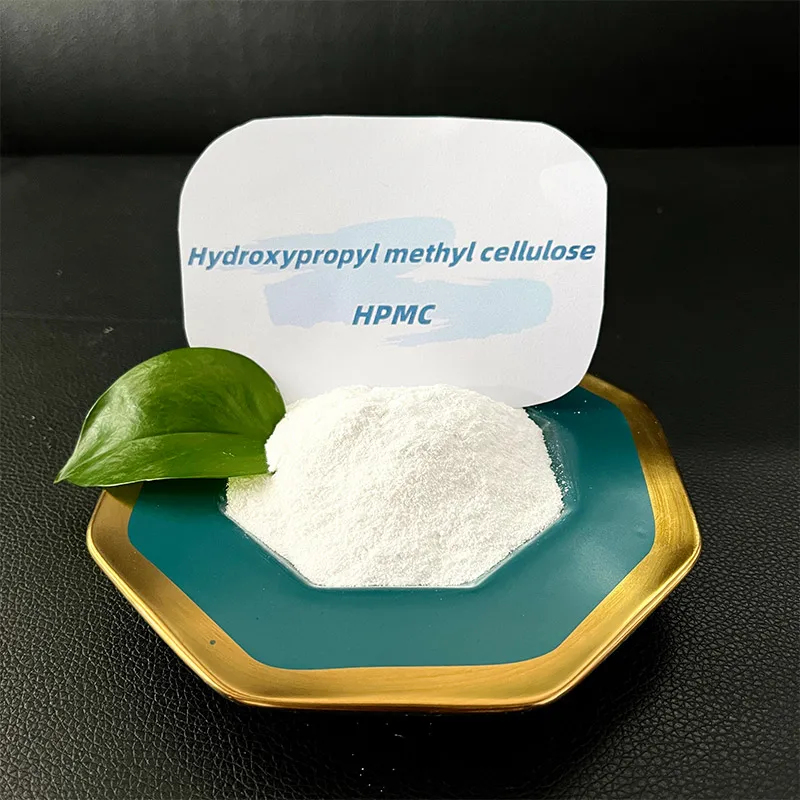
Gypsum, a vital component in the construction industry, is transformed through various additives to enhance its performance and adaptability. Among these additives, Hydroxypropyl Methylcellulose (HPMC) stands out as a crucial modifier. Its integration into gypsum-based products has propelled advancements in construction technology, addressing specific challenges faced by builders and manufacturers. In-depth evaluations conducted over the years demonstrate HPMC's proficiency in enhancing the workability and stability of gypsum mixtures. Its primary function as a rheology modifier stabilizes the gypsum slurry , ensuring it maintains an optimal consistency during application. Builders have reported significant improvements in sag resistance, which ensures a better finish, particularly with the overhead or vertical applications of gypsum plaster. The role of HPMC in gypsum formulations extends beyond mere physical stability; it significantly influences the setting time of the mixture. This flexibility allows construction professionals to adjust the working time of gypsum products according to project requirements, weather conditions, and labor availability. This adaptability also contributes to minimizing waste, as precise working times reduce the likelihood of premature setting and material wastage. HPMC's impact on water retention within gypsum mixtures is another critical advantage. By retaining water during the hydration process, it facilitates the complete setting of gypsum, subsequently enhancing the strength and durability of the final product. Moreover, this water-retentive characteristic of HPMC is especially beneficial in hot, dry environments, where rapid moisture loss can undermine the integrity of gypsum applications. hpmc for gypsum Research underlined in various scientific publications confirms HPMC's capacity to influence the mechanical properties of gypsum-based materials. Enhanced adhesive strength and flexibility can be attributed directly to its incorporation, making it an indispensable additive for high-performance gypsum products. This modification enables materials to withstand mechanical stresses better and ensures longer-lasting installations in diverse building environments. Expert analysis within the industry highlights HPMC's compatibility with other additives, allowing for customized gypsum formulations depending on specific project needs. This versatility supports innovation, enabling the creation of tailored solutions that address the distinctive requirements of modern construction projects, ranging from residential to industrial applications. Professional construction bodies and institutes advocate for the incorporation of HPMC in gypsum products, recognizing the additive’s efficacy in improving product performance and output quality. The construction industry, therefore, relies heavily on HPMC for sustainable and efficient building solutions, with its credibility supported by scientific research and widespread industry approval. Ultimately, the trustworthiness of HPMC in gypsum applications is validated by practical case studies and the endorsement of industry experts. Builders and manufacturers consistently report enhanced efficiency and cost-effectiveness in gypsum applications, attributable to the superior properties imparted by Hydroxypropyl Methylcellulose. As construction demands evolve, the continuous refinement and application of HPMC in gypsum products will undoubtedly play a pivotal role in shaping the future of building technologies.
-
HPMC eye ointment has emerged as a revolutionary product in the realm of optical care, offering relief and protection for a variety of eye conditions. As an experienced SEO specialist, I am committed to shedding light on the unique aspects of this product that make it indispensable for those seeking ocular comfort and health. HPMC, short for Hydroxypropyl Methylcellulose, is the primary active ingredient in this eye ointment . Its exceptional properties as a viscoelastic polymer make it an ideal candidate for eye care formulations. HPMC excels in moisture retention and provides a protective barrier on the eye's surface, mimicking natural tears. This is crucial for individuals experiencing dry eyes, a condition that often results from prolonged screen time, environmental factors, or age-related changes. Exploring the expertise behind HPMC eye ointment, one discovers its formulation is the result of extensive research in biocompatible materials. The ophthalmic community recognizes HPMC for its non-irritating and non-reactive nature, making it suitable for sensitive eyes. It serves as a soothing layer, easing discomfort and reducing friction against eyelids, especially vital for contact lens wearers or those recovering from ocular procedures. From an authoritativeness perspective, this eye ointment’s efficacy is backed by numerous clinical studies and endorsements from leading eye care professionals. Its utilization in treating conditions such as keratoconjunctivitis sicca—a severe form of dry eyes—is well-documented. These expert endorsements are crucial for establishing the product's credibility and ensuring patients feel secure in their choice of treatment. Consumer trust in HPMC eye ointment is further bolstered by its proven track record. Users report significant improvements in eye hydration levels and comfort, often within a short period of consistent use. The ointment's ability to reduce symptoms such as itching, burning, and the sensation of having a foreign body in the eye underscores its effectiveness. Moreover, its gentle formulation means it is safe for long-term use, addressing the root causes of dryness rather than merely providing temporary relief. hpmc eye ointment The science behind HPMC’s function is both fascinating and rigorous, reflecting a perfect confluence of chemistry and biology. When applied, the ointment forms a lubricating film over the cornea, promoting epithelial healing and offering a defense against environmental irritants and pathogens. This barrier not only moisturizes but also protects, reducing the risk of secondary infections—a common concern for those with compromised tear production. In the competitive market of eye care products, HPMC eye ointment stands out due to its precision-engineered formula tailored to mimic and supplement the eye's natural defense mechanisms. Its role as an adjunct therapy in managing dry eye syndrome represents an evolution in eye care solutions focused on long-term health rather than transient comfort. For prospective users eager to regain ocular health and comfort, selecting an HPMC eye ointment symbolizes choosing innovation grounded in scientific expertise and a legacy of professional endorsements. Transparency in its development and application underscores its trustworthiness, ensuring that users can confidently incorporate it into their daily care regimen. This ointment serves as both a preventive and therapeutic tool in managing ocular surface disorders, embodying the intersection of cutting-edge science with everyday practicality. Through ongoing innovations and research, the formulation continues to evolve, promising even more refined results in the future. In conclusion, HPMC eye ointment exemplifies a paradigm shift in personalized eye care, providing a robust, reliable option for those seeking to soothe and protect their eyes. Its combination of experience-driven expertise, authoritative endorsements, and unwavering trustworthiness positions it as a leading choice in the eye care industry, promising relief and rejuvenation with every application.
advantages
-

200000 Viscosities
Excellent product
We can produce pure products up to 200,000 viscosities
-

40000 tons
High yield
We don’t stop production all year round, and the annual output can reach 40,000 tons
-

24 hours
Quality service
We provide 24-hours online reception service, welcome to consult at any time
———— Inquiry Form
Schedule A services
-
 dyipsum_retarder
Oct . 25, 2025
Understanding the Price of Dispersible Polymer Powder Trends and Implications The global market for -
 fibers_natural_and_synthetic
Oct . 25, 2025
Hydroxypropyl Methyl Cellulose Manufacturers An Overview Hydroxypropyl methyl cellulose (HPMC) is a -
 micro_synthetic_fibres
Oct . 25, 2025
The construction industry constantly seeks materials that offer superior performance, reliability, a


